
Why Cybersecurity is Essential for Modern Businesses
Protecting your business and users from online threats in a digital world
 insights.sitarainnovations.comJune 5, 20241 Mins read82
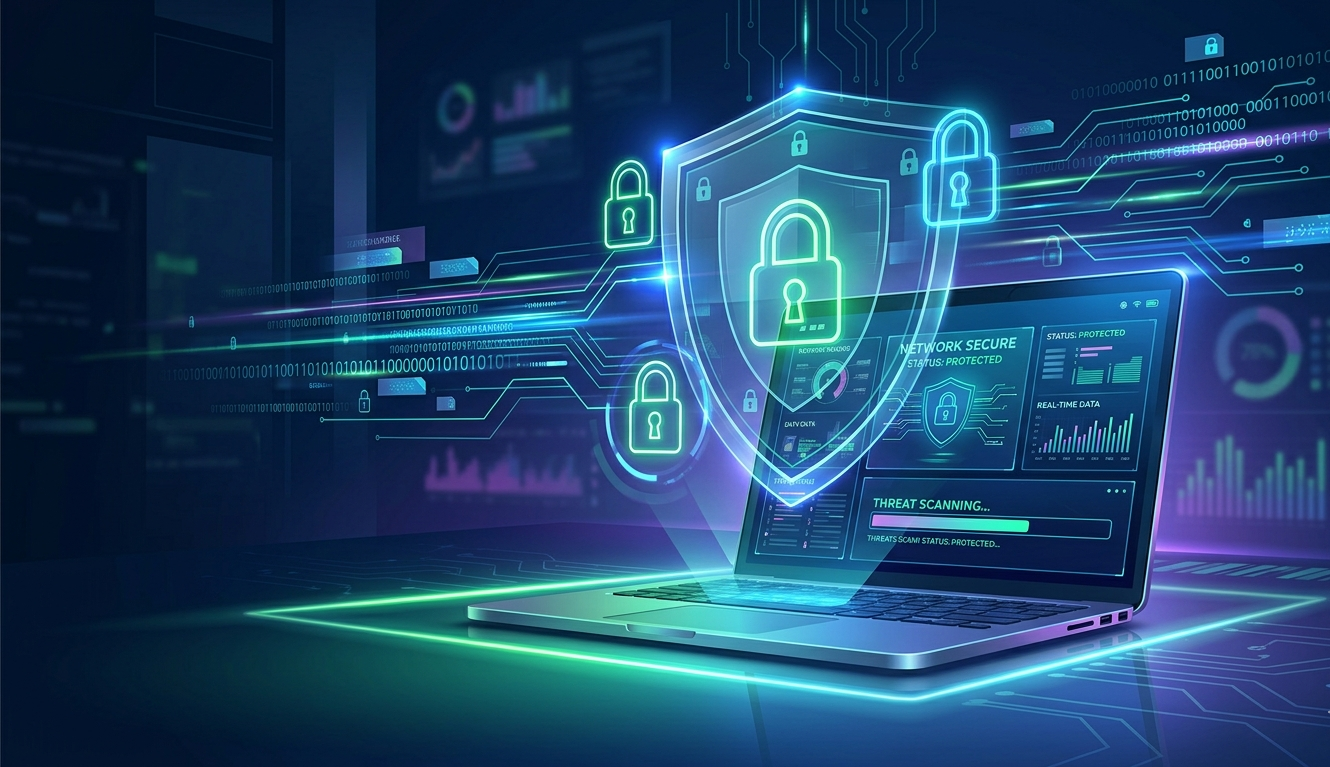
In today’s digital world, cybersecurity is no longer optional—it’s a necessity. Businesses of all sizes face threats from hackers, malware, and data breaches, making it critical to protect sensitive information and maintain trust with customers.
Cybersecurity involves implementing tools, practices, and policies to safeguard networks, websites, and data. From secure passwords to encryption and monitoring systems, every step contributes to a safer digital environment.
Cybersecurity is much more than a matter of IT.
Stephane Nappo
How Cybersecurity Benefits Businesses
Implementing strong cybersecurity measures reduces the risk of data breaches, financial loss, and reputational damage. It also ensures compliance with legal and industry regulations.
Key Advantages of Cybersecurity
“Cybersecurity is an investment in trust. Customers want to know that their information is safe, and businesses that prioritize security build credibility and loyalty.”
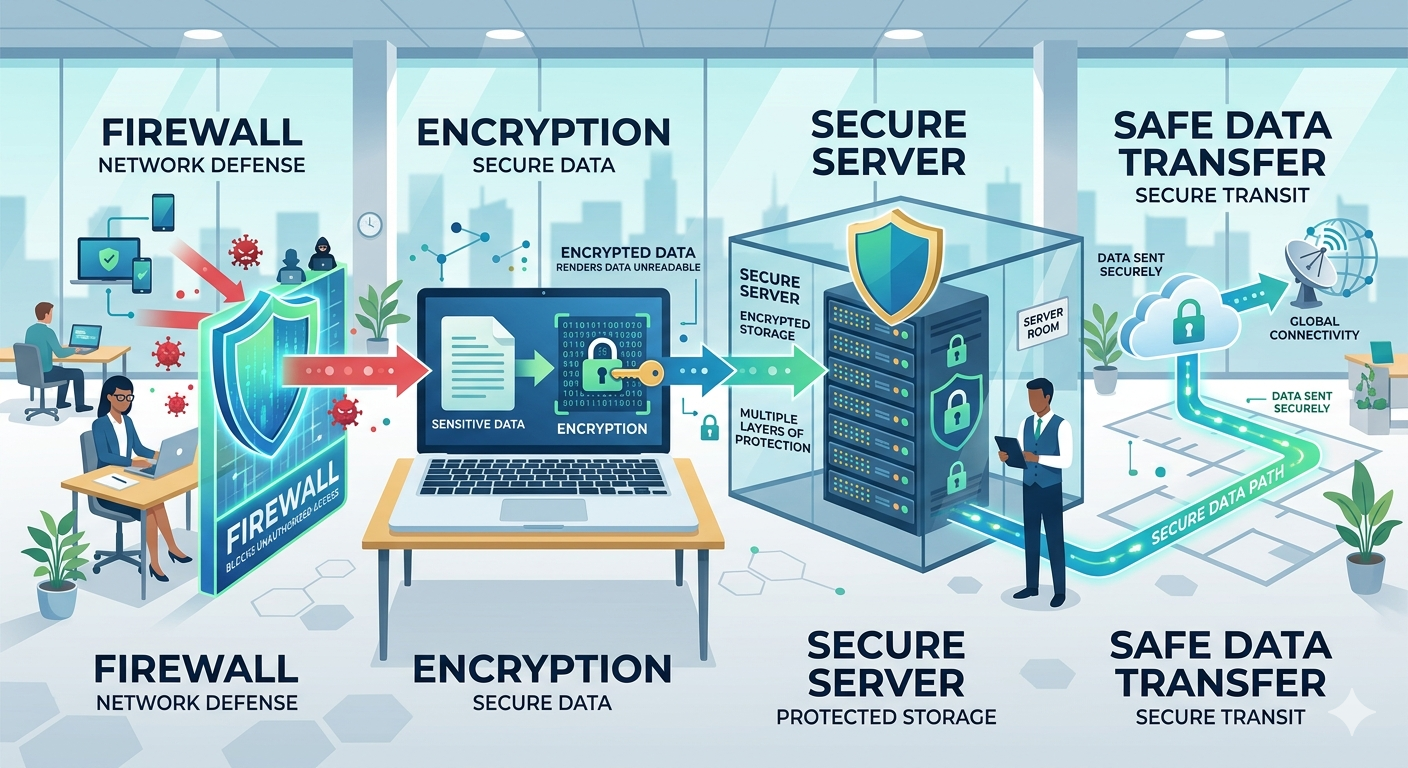
Businesses should use multi-layered security approaches, including:
- Firewalls and intrusion detection systems
- Secure authentication methods
- Regular software updates
- Employee training on security practices.
A proactive cybersecurity strategy identifies vulnerabilities before they can be exploited. Regular monitoring and audits help maintain a secure environment. Cybersecurity is essential for websites, applications, and databases. Protecting user data enhances trust and encourages long-term engagement.
Tools & Practices for Cybersecurity
Common tools include antivirus software, encryption systems, secure network configurations, and cloud security platforms. Businesses should also enforce strong password policies and multi-factor authentication.
Education and awareness are critical. Employees must understand the risks and best practices to prevent breaches. Investing in cybersecurity not only protects your business but also ensures smoother operations and peace of mind in the digital era.






How Artificial Intelligence is Transforming Modern Businesses
Understanding how AI is reshaping the future of business and technology
insights.sitarainnovations.com1 Mins read
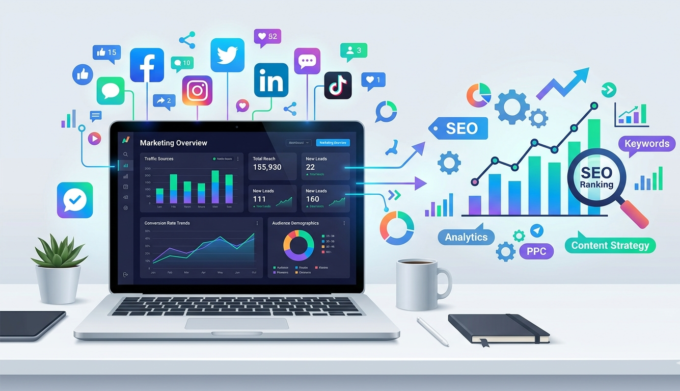
The Power of Digital Marketing in Growing Your Business
How digital strategies help businesses reach, engage, and convert customers
insights.sitarainnovations.com1 Mins read

Why UI/UX Design is Critical for Website Success
Enhancing user satisfaction and engagement through smart design
insights.sitarainnovations.com1 Mins read

How Startups Can Leverage Technology for Growth
Leveraging technology to grow and scale modern startups efficiently
insights.sitarainnovations.com1 Mins read




Leave a comment